
Could the foundations of planetary health begin in childhood?
What is some of the foundations for planetary health could be laid much earlier in life?
When we talk about planetary health, we often think about big solutions: government policy, new technologies and action to protect the environment.
But what if some of the foundations for planetary health could be laid much earlier in life, long before people understand concepts like climate change or sustainability?
That's the question researchers across the globe set out to explore. Their answer starts much earlier than you might expect: in the everyday relationships and experiences of early childhood.
This novel viewpoint proposes that empathy, curiosity, and connection to nature developed in the earliest years may help shape how future generations respond to the planet's biggest challenges.
"The future of planetary health may be shaped long before individuals can understand the impact of climate change or the concept of sustainability," first author Yumna Mubashir from Riphah International University, Pakistan said, "it may begin in the everyday experiences of early childhood."
The researchers outline a framework built on three areas of early childhood experience.
- Relationships, like those with caregivers and educators.
- Connection to nature.
- Biological foundations, including nutrition, and the gut microbiome.
Together, these may support what the researchers call childhood flourishing: children's wellbeing and positive development, including emotional security, meaningful relationships, curiosity, resilience, play and enjoyment. The framework proposes that supporting children to flourish may also help cultivate the capacities needed for healthier, more sustainable communities.
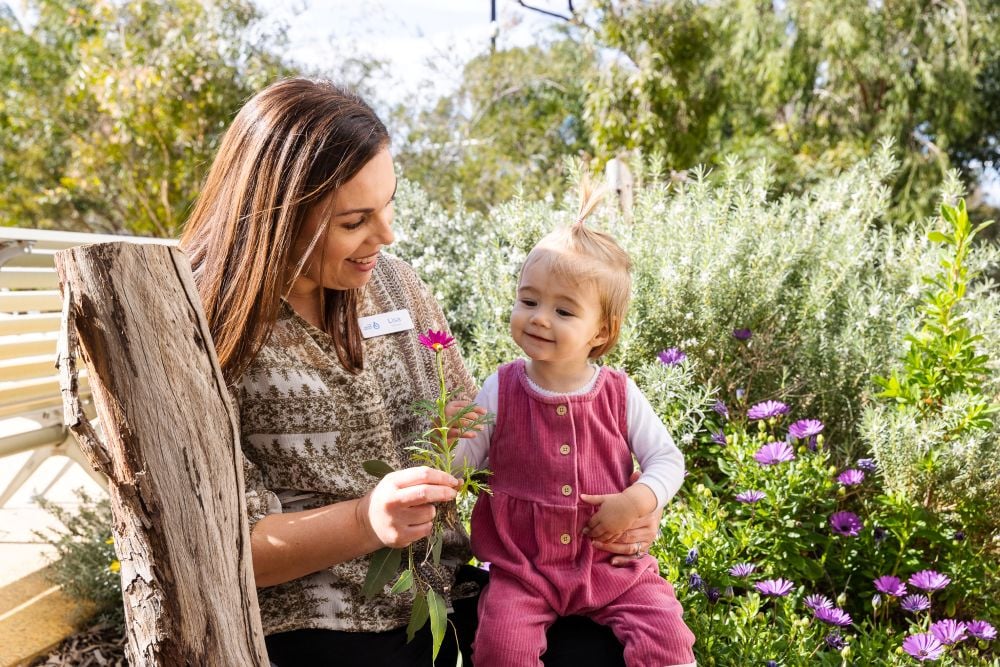
The researchers point to simple, everyday experiences as the real building blocks. A warm greeting. Time outdoors. Watching an insect. Caring for a plant.
Even seemingly small experiences can cultivate attention, curiosity, care, and an emerging awareness of interdependence.
These repeated interactions may help build what are called pro-social and pro-planetary capacities.
- Pro-social capacities include empathy, cooperation, care, and reciprocity towards others.
- Pro-planetary capacities include connection with nature, ecological awareness, and environmental responsibility.
Last author, ORIGINS Research Fellow Professor Susan Prescott, said it’s important to consider that flourishing doesn't look the same for every child.
“Children's opportunities are shaped by their families, communities, culture, and circumstances, including access to safe outdoor spaces and other resources” Professor Prescott said.
“Positive relationships can help children build resilience when they experience adversity, providing support that can help them regulate stress, and recover from challenges.”
Researchers describe the proposed relationships as “theoretical propositions rather than established causal pathways” and say further research is needed to test them.
The younger years are an important window for building the foundations, which raises an important question: can children and families be supported sooner, while those foundations are still developing?
The Flourishing Child project, a sub-project of ORIGINS, is developing and testing an interventional digital tool that directs parents to evidence-based online resources and local programs tailored to their child’s needs.
The aim is to empower parents with strength-based skills, resources, and capabilities to identify and support their child’s flourishing.
The idea is simple: if the foundation for healthier, more sustainable futures can begin in childhood, then these everyday experiences may help both children and the planet flourish beyond the early years.
First published Friday 25 September 2026.
View all news articles