
ORIGINS Vision Study
This study is aiming to investigate how sun exposure and time outside impacts the health of your child’s eye and eye growth, over a period of rapid growth in their lives.
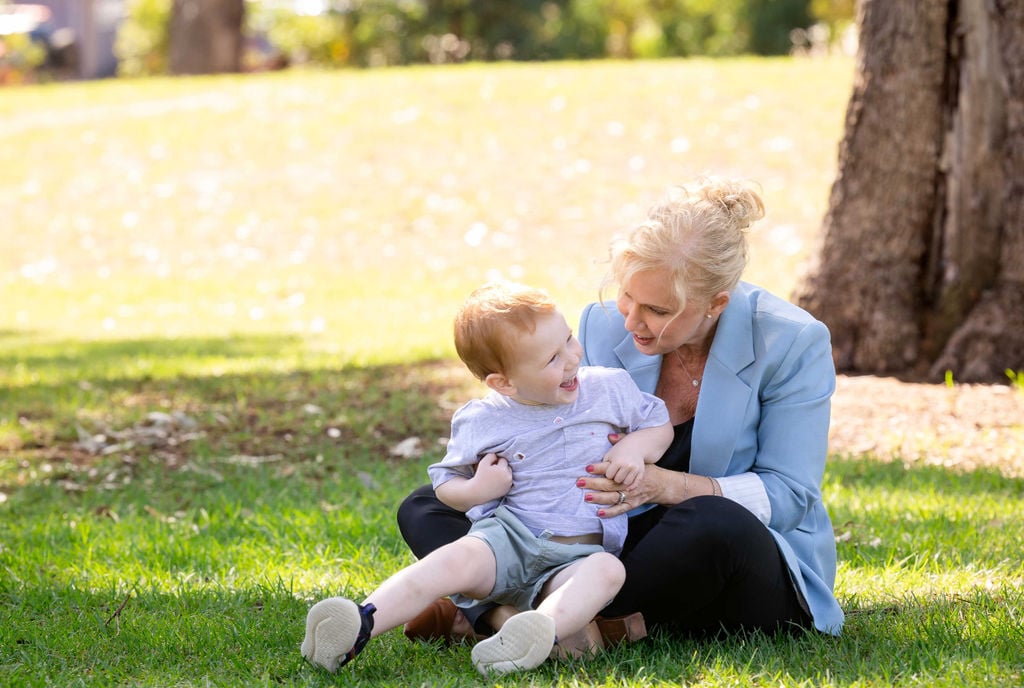
Myopia, or short-sightedness, is increasing rapidly amongst Australian children.
One explanation for this is increased time spent indoors, particularly since COVID-19, and an overuse of screen technologies.
However, evidence suggests that spending two hours outdoors every day can reduce the onset of myopia and myopia progress in children.
Join the study
ORIGINS and the Lions Eye Study are collaborating to test the theory that early exposure to outdoor play is protective against the development of short-sightedness.
Who can participate?
Both routine and active participants with a child over five years old are eligible to participate.
What does participation involve?
Phase 1 - Observation:
Children will attend an eye test every six months, for four years, to measure the length of their eye and understand how children's eyes normally grow.
The aim of the observational period is to identify patterns that may help predict which children are at risk of becoming short-sighted (or myopic) before vision problems develop.
See what's involved in the routine eye tests undertaken at the Lions Eye Institute in Nedlands.
Phase 2 - Intervention:
After 12 months families can choose to continue observation or enter the intervention trial.
The intervention will randomly assign families to either:
- a group where parents receive sun-safe SMS reminders that encourage more outdoor time
- a control group receiving usual care
The SMS reminders encourage outdoor activity during low-UV periods, such as mornings or evenings, and will be used to assess whether spending more time outdoors can prevent, or slow the progression of, short-sightedness.
Children will continue to have regular eye tests every six months for the remaining three years of the study.
What is the study trying to achieve?
- How can changes in eye growth help us identify children on a trajectory to develop short-sightedness before it happens?
- How common is short-sightedness in Australian children, and what does eye health and growth look like over the population?
- Does the amount of time a child spends outside or looking up closely (like on screens) affect how a child’s eyes develop?
- How common are other childhood eye conditions, such as lazy eye, crossed, or turned eyes?
What are the benefits of participating?
- Both you and your child will receive regular comprehensive eye tests
- You will receive a review of your and your child's eye health
- You and your child will receive a referral for further eye testing or treatment should you require it
- You'll be contributing to research that is working toward a world where every child sees the world clearly
Investigators
- Professor David Mackey AO, Lions Eye Institute
- Professor Desiree Silva, ORIGINS Co-Director, The Kids Research Institute Australia
- Dr Samantha Lee, Lions Eye Institute
- Dr Gareth Lingham, Lions Eye Institute
- April-Jade Jolly, Lions Eye Institute
- Jade Knapp, Lions Eye Institute
- Holly Brown, Lions Eye Institute