About ORIGINS
Local Research. Global Impact.
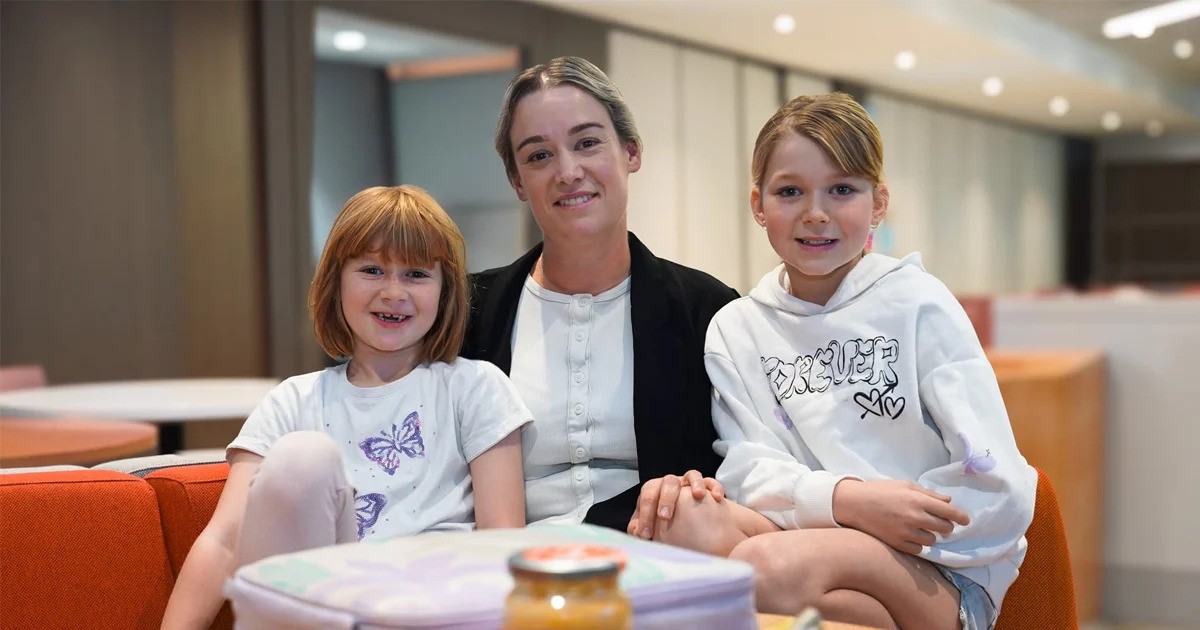
ORIGINS is the largest study of its kind in Australia, following 10,000 women, their babies, partners, and siblings, from conception into early childhood through a series of biological samples, face-to-face appointments, and online questionnaires.
Its goal is to develop targeted, more effective prevention and intervention strategies that support all families to flourish throughout life.
The unique interventional long-term study is one of the most comprehensive studies of pregnant women and their families in Australia, utilising over 400,000 biological samples and 30 million data points to deliver innovative, accelerated real-world research outcomes that aim to improve the health and families of now and for generations to come.
The research platform is headed by Co-Directors Professor Desiree Silva and Dr Jackie Davis.
ORIGINS received core funding from the WA Child Research Fund, Joondalup Health Campus, the Paul Ramsay Foundation, the Commonwealth Government of Australia through the Channel 7 Telethon Trust, and the Stan Perron Charitable Foundation, and the Minderoo Foundation.