Active
RHINO researchers from The Kids' Wal-yan Respiratory Research Centre, will analyse ORIGINS data and turn it into meaningful respiratory and allergy outcome data that can be used by researchers around the world.
Learn more about RHINOInvestigating the possible contributors to childhood lung disease by studying the epithelial cells from the nose at birth.
Learn more about AERIAL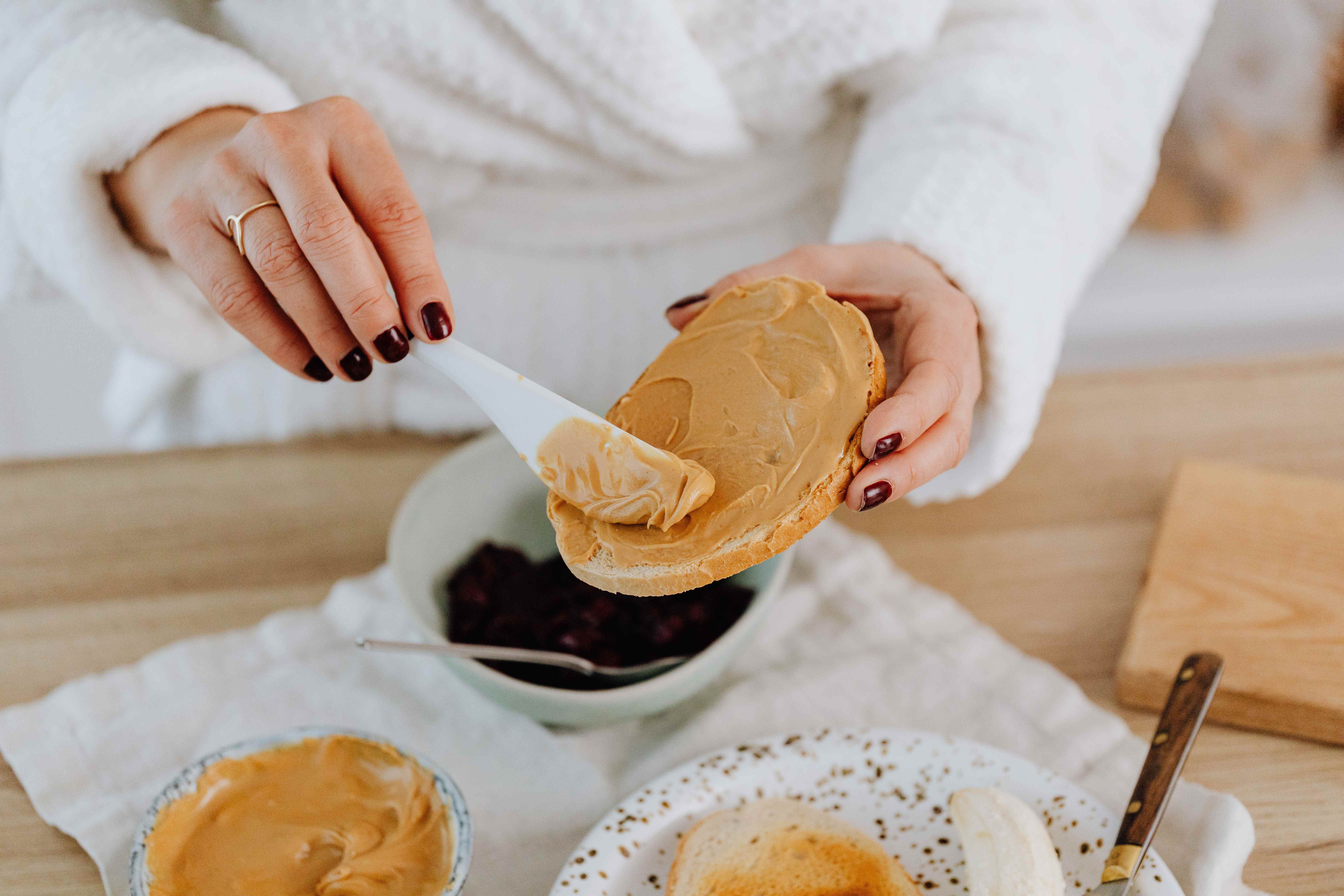
PrEggNut is aiming to determine whether mothers regularly eating more eggs and peanuts during pregnancy and breastfeeding will reduce food allergies in their babies.
Learn more about PrEggNut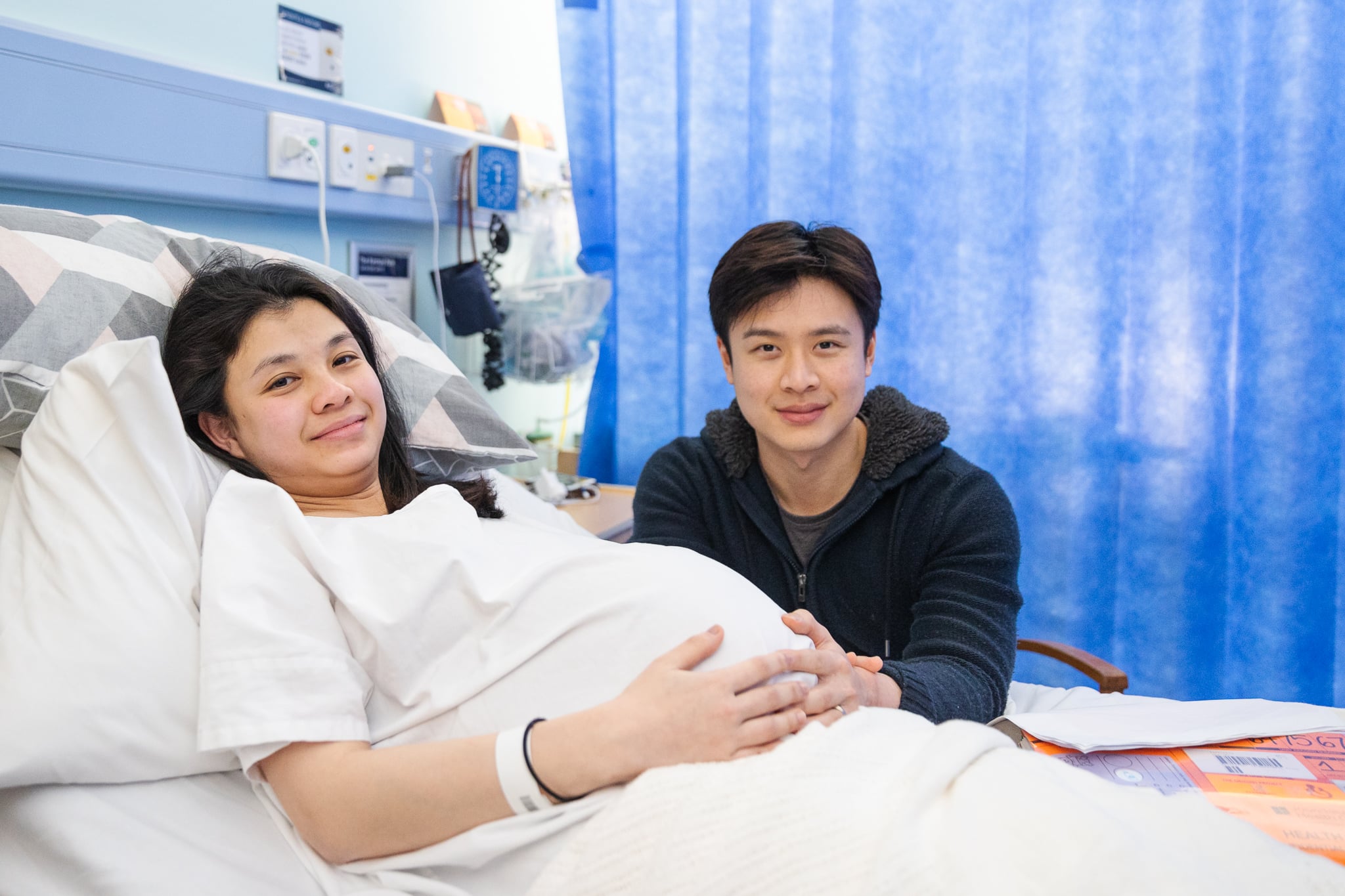
This sub-project is exploring associations with eczema, food allergy and wheeze in children of the ORIGINS cohort.
Learn more about Caesarean Section, Maternal Stress & Phototherapy
This study is exploring what role maternal inflammation during pregnancy plays in 'programming' adverse child health outcomes.
Learn more about Maternal Inflamma TypesCompleted
Breastfeeding and Eating Nuts and Eggs for Infant Tolerance
Learn more about BENEFIT TrialDoes eating cashew nut spreads in the first year of life reduce the chances a baby will develop a cashew nut food allergy?
Learn more about The Cashew Study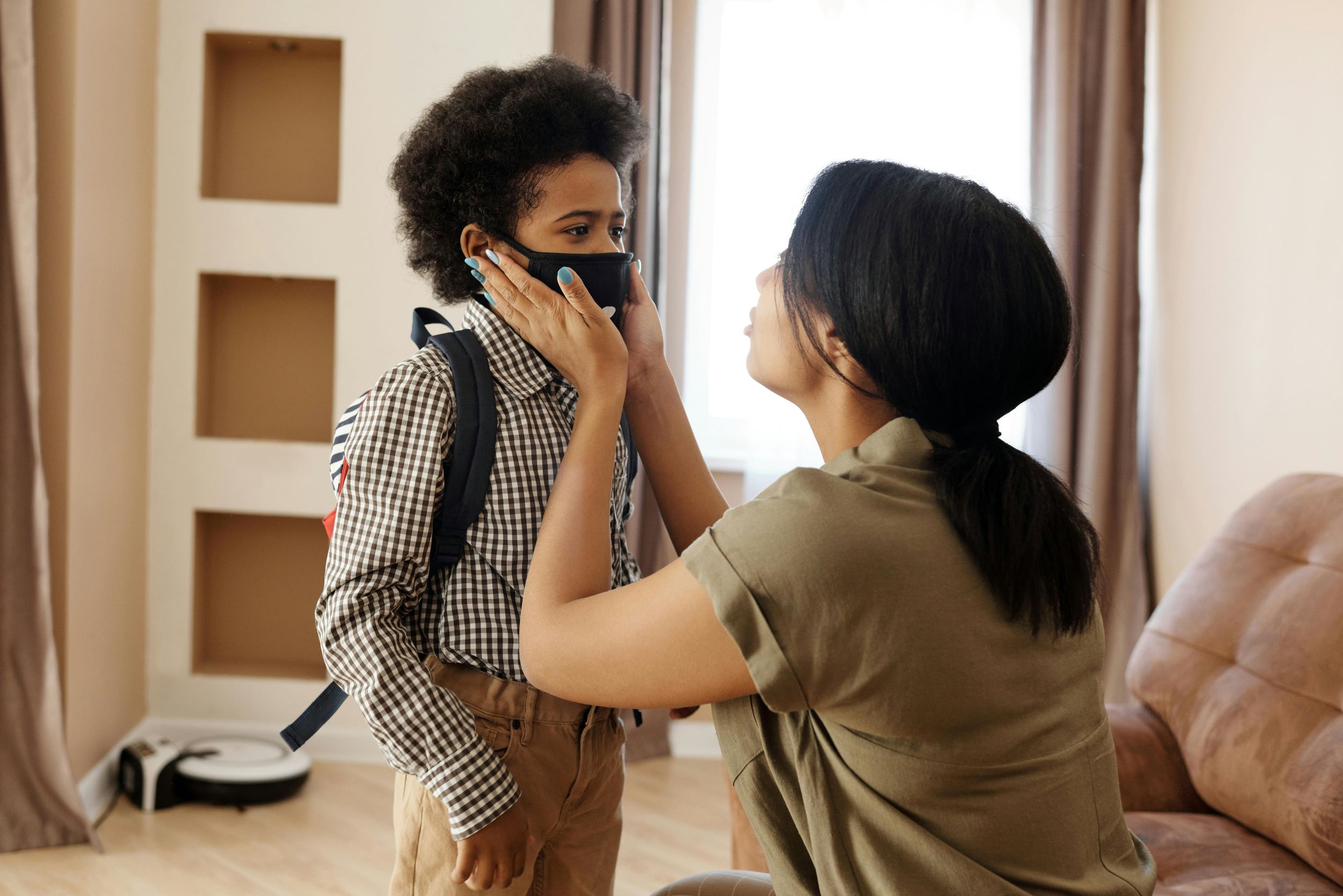
Assessing the virus transmission, immunity development and wellbeing of families during COVID-19
Learn more about COCOONComparing how mast cells are “programmed” in allergic and non-allergic children at one year of age.
Learn more about The Mast Cell Study