
The Nature Effect
Investigating the impact of green and blue spaces on child health and development.
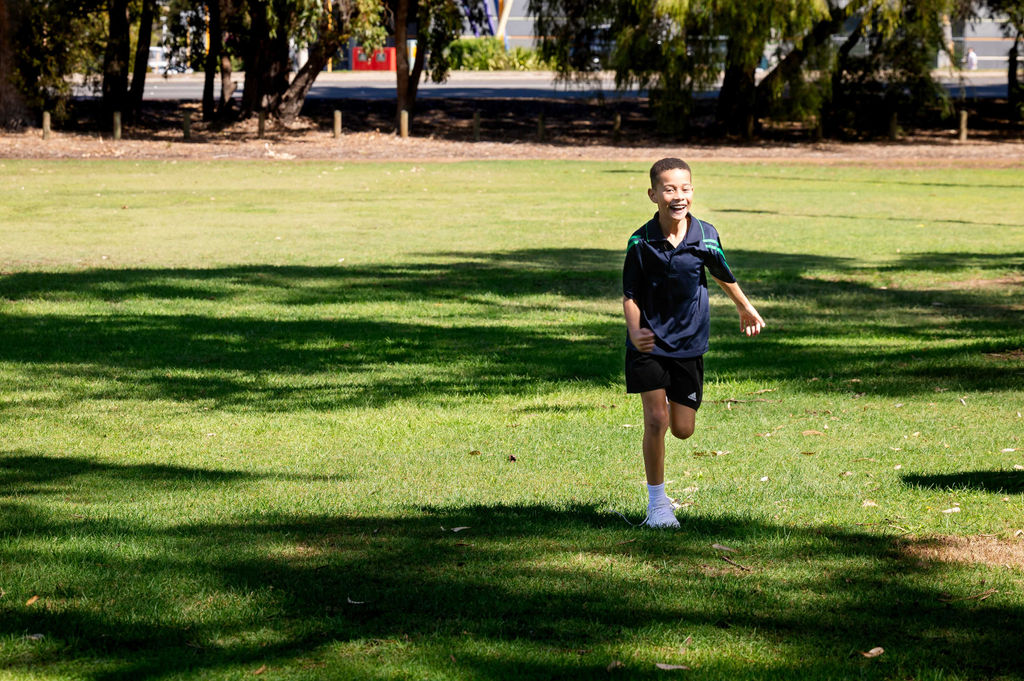
As cities grow rapidly, many children are losing access to nature.
Green spaces, like parks and tree-filled areas, and blue spaces, such as rivers, lakes, and beaches, are vital for children’s health and development.
These natural environments help kids stay active, reduce stress, support emotional wellbeing, and encourage creativity and social interaction. They also protect against environmental harms like pollution and heat.
Experts have identified three key ways nature benefits children:
- By reducing harm (like air pollution)
- Restoring mental wellbeing (such as reducing stress)
- Building healthy habits (like physical activity and social skills).
Blue spaces provide similar benefits by offering calm, cool places that encourage play and connection.
The United Nations has recognised children having access to safe and inclusive natural spaces by including it in their Sustainable Development Goals.
While we know nature is good for kids, more research is required, especially long-term studies that track how regular exposure to nature affects children over time. Local data from WA is especially important to guide planning and ensure all children benefit from nature.
This project aims to assess the physical, emotional and social health benefits in young children (at ages 1 and 3 years) in association with access to green space and blue space.
The Nature Effect aims to answer the below questions:
- Is there an association between the total area of green and/or blue space within 800 metres of a child’s home and the following 5 child physical health outcomes at 1 and 3 years of age: body mass index (BMI), time per week spent playing outdoors, presence of respiratory condition, presence of allergic condition, and/or gross motor skills?
- Is there an association between the total area of green and/or blue space within 800 metres of a child’s home and their social skills at 1 and 3 years of age, measured by the Ages and Stages Questionnaire (ASQ)?
- Is there an association between the total area of green and/or blue space within 800 metres of a child’s home and the child’s emotional skills, measured using the Copenhagen Infant Mental Health Screener at 1 year and Conners Early Childhood Assessment at 3 years?
- For each of the above, if there is an association between green space and a child development outcome, are particular types of green space associated with that outcome?
Researchers hypethsise that:
- Children with greater green and/or blue space within 800m of their home will have improved physical health outcomes.
- Proximity of a child’s home to green space and/or blue space will be associated with improved social and emotional wellbeing (e.g., reduced anxiety, improved mood, etc).
Investigators:
- Dr Sarah Whalan, ORIGINS Data Manager, The Kids Research Institute Australia
- Dr Lisa Gibson, ORIGINS Project Manager, The Kids Research Institute Australia
- Wesley Billingham, ORIGINS Biostatician, The Kids Research Institute Australia
- Associate Professor Paula Hooper, The University of Western Australia
- Professor Desiree Silva, ORIGINS Co-Director, The Kids Research Institute Australia