
PEA POD
This study is examining the maternal and neonatal factors affecting neonatal body fat percentage.
The prevalence of overweight and obesity in the Australian population continues to rise with figures indicating greater than 63% to 67% of adults being overweight or obese, and 24% to 27% of children being overweight or obese.
Studies have shown that weight status in childhood is an important predictor of obesity in adulthood. A recent study investigating the change in fat mass percentage, measured by air-displacement plethysmography, indicates a critical window for adiposity programming in the first 6 months of life.
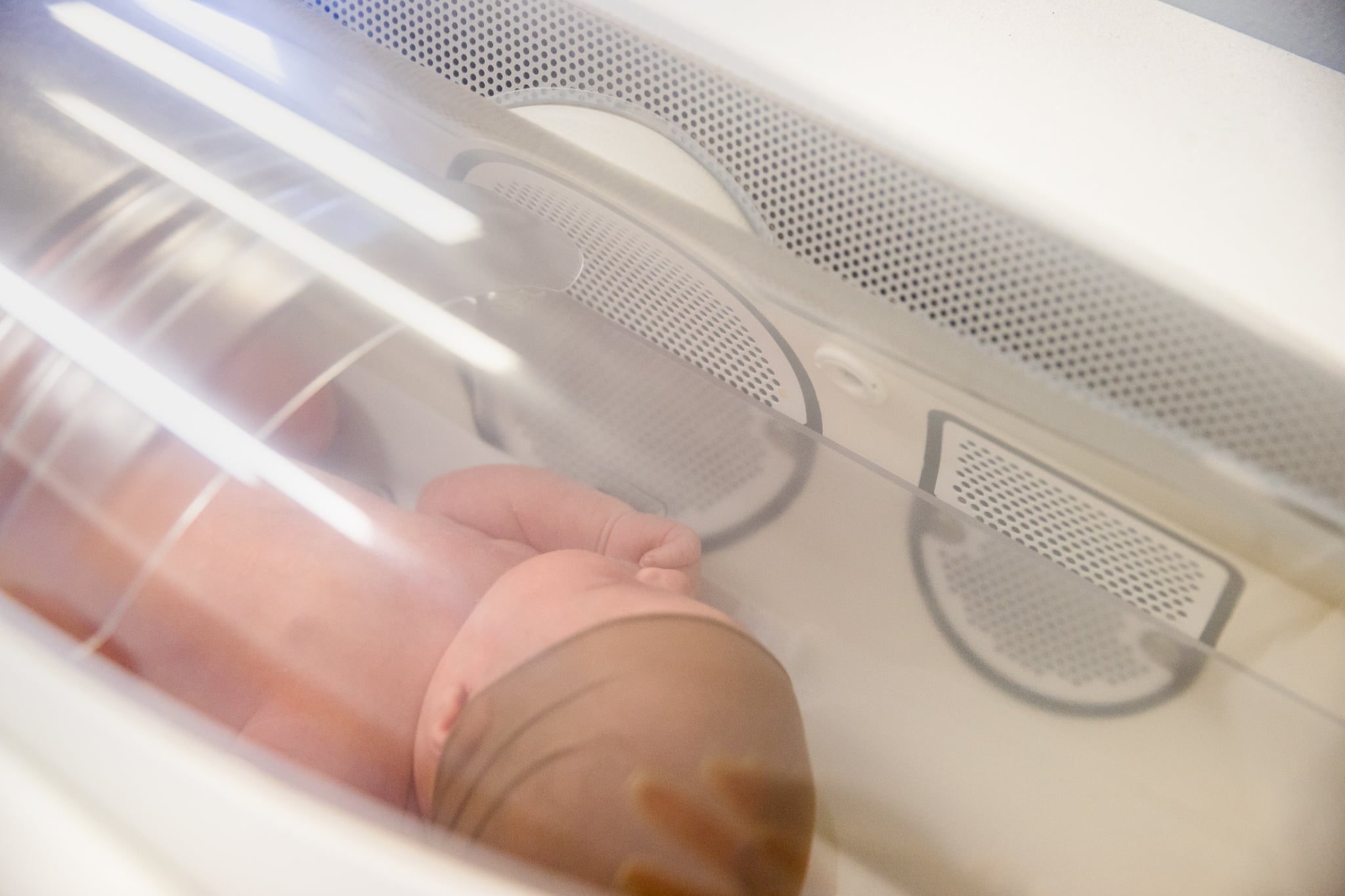
Adiposity is assessed by measuring body fat percentage by air displacement plethysmography (ADP) using a PEA POD infant body composition system.
Factors such as neonatal gender, maternal weight gain in pregnancy, diabetes, gestational diabetic management (diet vs insulin), smoking, medication use and antenatal steroids may impact the body fat percentage of a neonate. Neonatal adiposity may be related to long term metabolic health outcomes.
In view of this correlation, this study seeks to determine risk factors influencing neonatal body fat using PEA POD analysis.
The data from this study could potentially be used to identify risk and protective factors for increased neonatal body fat percentage, as well providing information to create a normogram for neonatal body fat percentage according to gestational age and gender.
There is currently no normative data for neonatal whole body composition. Data from this study can be used to create this normative data.
Investigators
- Dr Katie Britton, The Kids Research Institute Australia
- Dr Jamie Tan, Joondalup Health Campus
- Dr Ravisha Srinivasjois, Joondalup Health Campus
- Professor Desiree Silva, ORIGINS Co-Director, The Kids Research Institute Australia